10 Essential Boat Parts Every Marine Enthusiast Should Know
Introduction: Why Knowing Boat Parts Matters
Understanding the essential boat parts is crucial for every marine enthusiast. Knowing each component helps ensure safe operation, effective maintenance, and enhances overall enjoyment on the water. Whether you own a small recreational boat or are simply interested in marine vessels, familiarity with these key parts improves communication, troubleshooting, and safety awareness.
Recognizing parts like the hull, keel, and propeller empowers boaters to identify issues early and maintain their craft’s performance. This foundational knowledge helps prevent accidents and costly repairs while boosting confidence in handling any marine situation.
Hull: The Foundation of Your Boat
The hull is the main body of the boat that sits in the water, providing buoyancy and stability. It acts as the vessel’s structural foundation, determining its shape, size, and how it moves through water.
The hull’s design influences speed, fuel efficiency, and how well the boat handles waves. Different hull types, like flat-bottom, V-shaped, or round-bottom, serve various purposes—from smooth cruising to rough water navigation.
Maintaining the hull’s integrity is vital. Damage or buildup on the hull can affect performance and safety. Regular cleaning and inspection ensure your boat remains seaworthy and efficient.
Keel: Keeping Your Boat Steady
The keel is a structural backbone running along the bottom centerline of the hull. Its primary function is to provide balance, preventing the boat from tipping sideways, and improving directional stability.
In sailboats, the keel also counters the wind’s sideways force, helping the boat track straight. On motorboats, the keel aids in smooth handling and reduces drifting.
Keels come in different shapes, like fin or full keels, each impacting maneuverability and stability in unique ways. Understanding how the keel works can help boaters predict how their vessel will respond in various conditions, improving safe handling.
Rudder and Steering System
The rudder is the flat, adjustable blade positioned at the stern, controlling the boat’s direction by redirecting water flow. It is the primary component of the steering system.
When you turn the wheel or tiller, the rudder moves side to side, allowing precise maneuvering of the boat. A properly functioning rudder is essential for safe navigation and avoiding obstacles.
Many boats integrate the rudder with mechanical or hydraulic linkages to enhance responsiveness. Knowing the rudder’s role helps you react appropriately in tight spots like docking or in rough waters.
Propeller: Powering Your Vessel
The propeller converts engine power into thrust, pushing the boat forward or backward through the water. It is critical for the boat’s propulsion and speed control.
Propellers vary in size, pitch, and blade count, all affecting acceleration, top speed, and fuel efficiency. Selecting the right propeller for your boat and engine optimizes performance and handling.
Routine inspections are necessary to identify damage like nicks, bends, or corrosion. Even small propeller imperfections can reduce efficiency, increase fuel consumption, or cause vibrations that strain the drivetrain.
Deck and Gunwale: Your Work and Relaxation Area
The deck is the flat surface you walk on, usually exposed on the top side of the boat. It serves as the main platform for activities like steering, fishing, or lounging.
Alongside the deck, the gunwale refers to the upper edge or rail running along the boat’s sides. It adds structural strength and functions as a safety barrier, preventing passengers from falling overboard.
Gunwales often incorporate cleats or attachment points for ropes, and can vary in material from wood to metal or plastic. Keeping the deck clean and in good condition reduces slip hazards and prolongs durability.
Bow and Stern: Front and Back Basics
The bow is the front of the boat, designed to cut through waves and reduce resistance. Its shape significantly affects how the boat handles rough water and impacts fuel efficiency.
The stern is the rear section, housing critical components like the rudder, propeller, and often the engine in motorboats. It also serves as the entry or exit point from the water in many vessels.
Understanding the bow and stern locations and functions helps in navigation, docking, and communicating directions on board. Their design also dictates how water flows around the boat, influencing ride smoothness.
Additional Parts to Know: Transom and Cleats
The transom is the flat vertical surface at the stern that forms the back wall of the hull. It provides structural support and often acts as the mounting point for outboard motors and swim platforms.
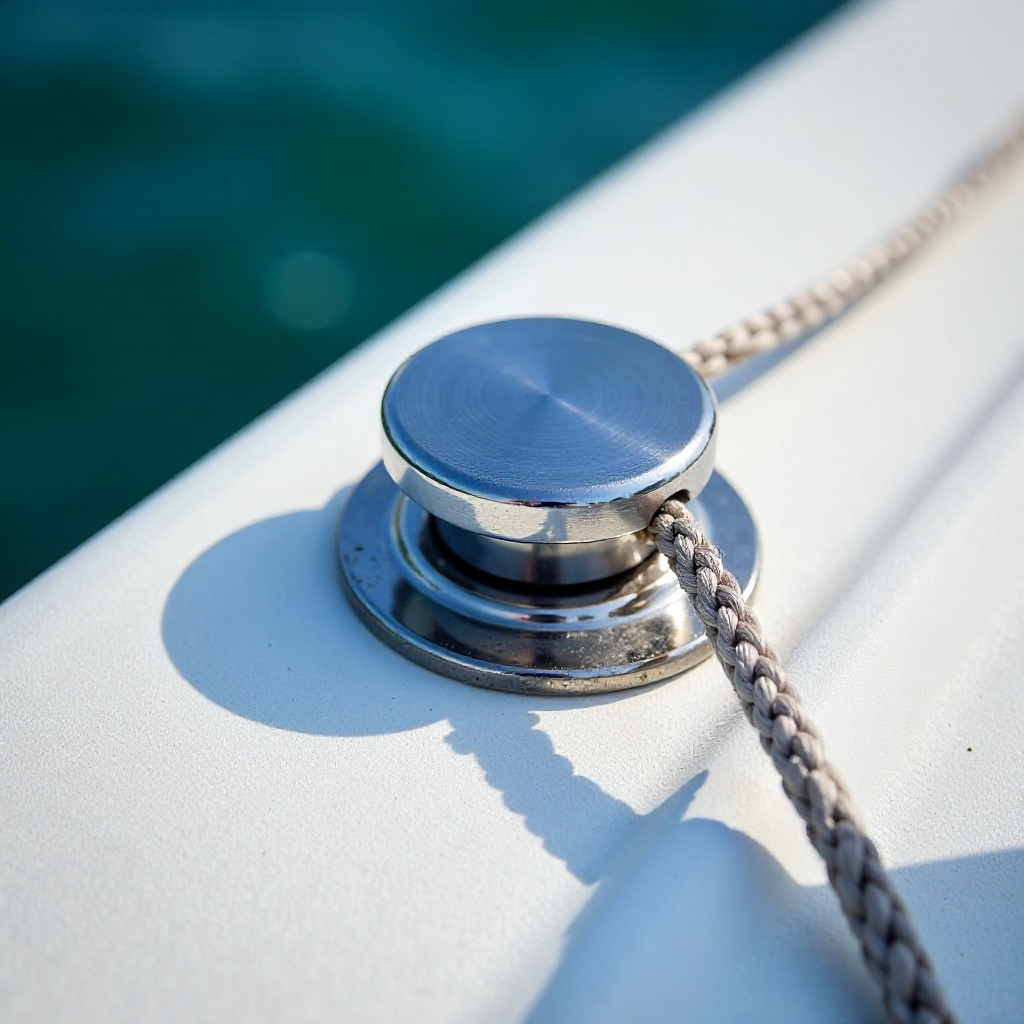
Cleats are fixtures attached to the deck or gunwale used to secure ropes during docking or anchoring. They are essential for mooring safely and preventing the boat from drifting away.
Knowing how to properly use cleats can prevent line slippage and ensure stable mooring. Regularly inspecting cleats for corrosion or looseness is important to avoid unexpected failures when tying up.
Summary and Maintenance Tips
Familiarity with essential boat parts like the hull, keel, rudder, propeller, deck, gunwale, bow, stern, transom, and cleats forms the foundation of safe and effective boating. Understanding each part’s function helps with better decision-making on the water and keeps your vessel in optimal condition.
Regular maintenance should include:
- Inspecting the hull for cracks, blisters, or marine growth
- Checking the keel and rudder for damage or looseness
- Cleaning and polishing the propeller, monitoring for nicks or corrosion
- Maintaining deck cleanliness and securing gunwale attachments
- Examining cleats and transom mounts to ensure reliability
Routine care extends boat life, improves safety, and enhances performance. Even basic knowledge of boat parts strengthens your confidence and enjoyment on the water.
FAQ
What is the difference between a keel and a hull?
The hull is the entire body of the boat that provides buoyancy and structural integrity. The keel is a specific longitudinal structure attached to the bottom of the hull that provides balance and prevents sideways drift. Think of the hull as the boat’s main frame and the keel as its underwater stabilizer.
How does the rudder affect boat steering?
The rudder directs water flow to turn the boat. When you move the steering wheel or tiller, the rudder changes angle, pushing water in a way that pivots the boat left or right. Without a functioning rudder, precise steering control isn’t possible.
Why is the propeller important for speed?
The propeller converts engine power into thrust, propelling the boat through water. Its design—size, pitch, and blade number—directly impacts acceleration, fuel efficiency, and top speed. A damaged or inappropriate propeller reduces performance.
How do cleats help when docking?
Cleats provide secure attachment points to tie ropes for mooring. Properly tied lines on cleats prevent the boat from drifting away or banging against docks, ensuring stability and safety when docked.
What maintenance do these parts require?
Routine maintenance involves cleaning, inspecting for wear or damage, lubricating moving parts (like rudder linkages), checking for corrosion, and tightening fixtures. Regular upkeep prevents failures and keeps the boat performing safely and efficiently.