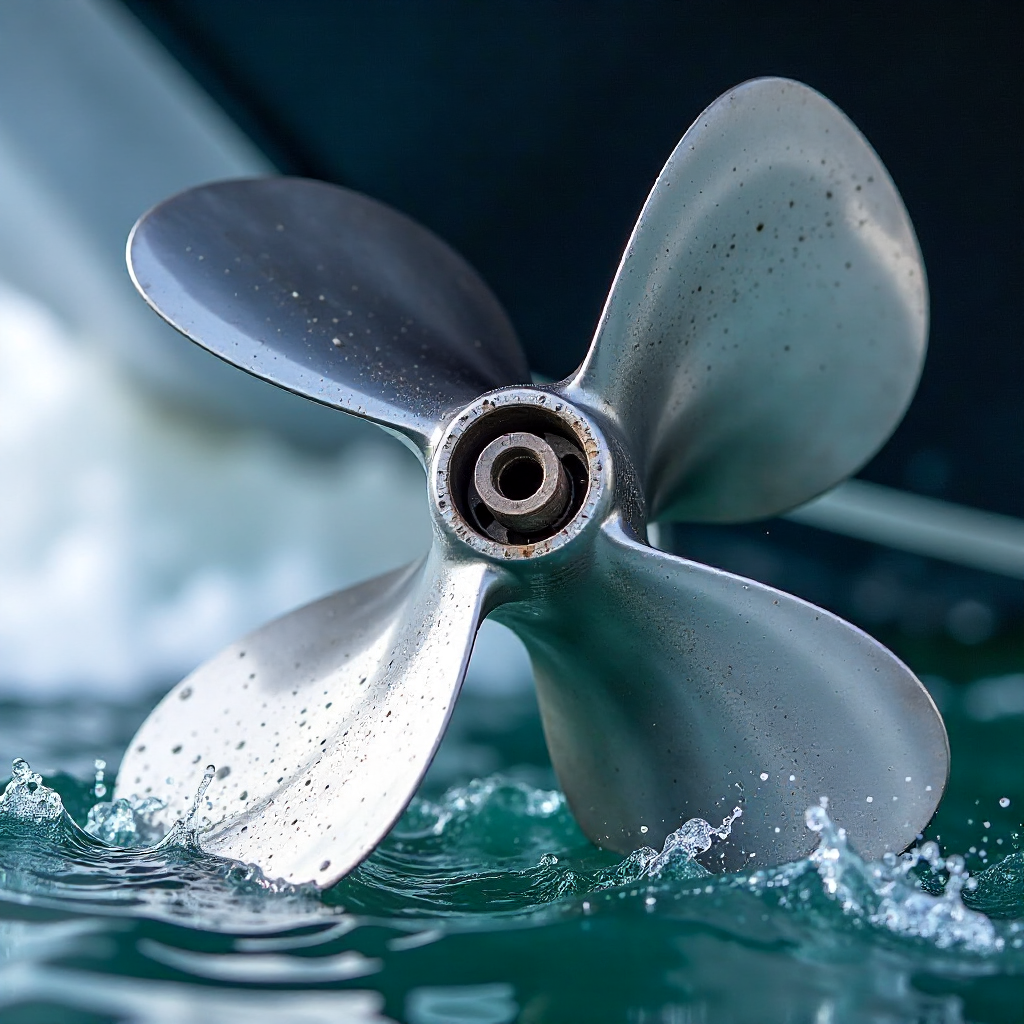
How to Choose the Right Propeller for Your Boat
Understanding the Basics of Boat Propellers
A boat propeller is a device with rotating blades that propels the boat through the water by converting engine power into thrust. Key components include pitch, diameter, and blade count, each influencing how the boat moves and performs.
Pitch refers to the distance a propeller would move forward in one revolution without slippage, measured in inches. Diameter is the circular distance across the propeller’s blades. Blade count affects the smoothness and efficiency of water flow around the prop. Together, these factors determine how efficiently your boat converts engine horsepower into thrust and speed.
Understanding these basic terms is essential because the wrong combination can cause issues such as engine strain, cavitation, or poor fuel economy.
Types of Propellers and Their Applications
There are several common types of boat propellers designed for different applications, each built from various materials to suit marine environments.
- Two-Blade Propellers: Offer maximum speed due to less drag but can cause more vibration.
- Three-Blade Propellers: The most common choice, balancing speed, efficiency, and smoothness.
- Four or More Blades: Provide better thrust, stability, and maneuverability, especially important for heavier boats or towing.
Regarding materials, aluminum propellers are lightweight, cost-effective, and suitable for casual boating but wear faster. Stainless steel propellers are more durable and resistant to corrosion, delivering better performance and longer life, albeit at a higher price.
Choosing the right propeller type and material depends on your boat’s size, the marine environment you operate in, and your performance expectations.
Key Factors to Consider When Selecting a Propeller
When choosing a propeller, the main factors include pitch, diameter, blade count, and engine horsepower compatibility.
Pitch: A higher pitch propeller moves the boat faster but requires more engine power. A lower pitch increases acceleration but limits top speed. For example, a boat operating in shallow waters or needing quick acceleration benefits from a lower pitch, while cruising boats prefer higher pitch for efficient speed.
Diameter: Larger diameter propellers provide more thrust but may reduce engine RPM. They suit heavier boats that require more power to move. Diameter selection should match the engine’s recommended operating range to avoid overloading.
Blade Count: Three blades offer a balance, but more blades improve handling and thrust, especially important for heavier loads or towing. Fewer blades reduce drag but may cause vibration or cavitation if improperly matched.
Engine Horsepower: Match your propeller’s pitch and diameter to the engine’s horsepower rating. Oversizing the propeller can overwork the engine, while an undersized one can cause excessive RPM and inefficient fuel use.
Consult your engine manufacturer’s recommendations as a starting point, then fine-tune based on your boat’s usage.
How Propeller Choice Affects Boat Performance
The correct propeller significantly impacts boat speed, fuel efficiency, and overall handling. Selecting a propeller optimized for your boat and engine ensures you get the most thrust out of every horsepower.
A propeller with the wrong pitch or diameter can cause cavitation, a condition where bubbles form around the blades due to low pressure, damaging the propeller and reducing thrust. This directly lowers speed and increases fuel consumption.
Choosing an efficient propeller improves fuel efficiency by reducing engine load. For example, a slightly lower pitch prop can boost acceleration and reduce fuel burn at lower speeds, while a higher pitch suits long-distance cruising at steady speeds.
Blade design also impacts handling in different water conditions. More blades provide smoother rides and better control in choppy water or when towing, whereas fewer blades allow for better maximum speed in calm waters.
Identifying Signs You Need a New Propeller
Recognizing when your boat needs a new propeller can prevent costly damage and improve performance.
- Visible Damage or Wear: Dents, cracks, or bent blades indicate replacement is necessary.
- Vibration or Noise: Unusual vibrations or noises during operation suggest imbalance or damage.
- Poor Performance: If your boat struggles to reach expected top speed, accelerates sluggishly, or has increased fuel consumption, the propeller might be the cause.
- Cavitation Signs: Pitting on blade surfaces or loss of thrust is a warning sign.
Regular maintenance and visual inspections in the marine environment help identify these problems early, protecting your engine and hull.
Tips for Testing and Installing a New Propeller
To ensure your new propeller performs optimally, follow these practical steps when testing and installing it:
- Measure Current Propeller Size: Check the diameter and pitch marked on your existing propeller to establish a baseline.
- Match Engine and Boat Specifications: Verify the recommended pitch and diameter range for your engine horsepower and hull type.
- Inspect the Shaft and Hub: Ensure the propeller shaft is straight and the hub fits snugly to avoid wobble or looseness.
- Test Performance: After installation, observe engine RPM at wide-open throttle. RPM below the recommended range implies the pitch is too high; above suggests the pitch is too low.
- Monitor Fuel Efficiency and Handling: Track changes in fuel consumption and ease of maneuvering to confirm the propeller suits your usage.
For best results, get professional balancing and installation if you’re unfamiliar with marine hardware to prevent damage or accidents.
Frequently Asked Questions
How do I measure my current propeller’s size?
Measure the diameter by calculating the distance across the circle formed by the blade tips, and find the pitch by reading the stamped number on the propeller blade or manufacturer’s specifications, usually in inches.
What is cavitation and how does it affect performance?
Cavitation occurs when low pressure causes bubbles to form around the propeller blades, disrupting smooth water flow. It decreases thrust, damages blades over time, and reduces boat speed and fuel efficiency.
Can changing the propeller improve fuel efficiency?
Yes, selecting the right pitch and blade configuration minimizes engine load and optimizes thrust, which can reduce fuel consumption by up to 10-15% in typical boating scenarios.
What are the pros and cons of aluminum vs stainless steel propellers?
Aluminum propellers are lighter and less expensive but wear faster and dent more easily. Stainless steel propellers offer higher strength, better corrosion resistance, and performance but cost significantly more.
How often should a propeller be replaced?
Propeller replacement depends on use and damage but typically every 3-5 years for aluminum and longer for stainless steel if maintained properly. Regular inspections will help determine the best time for replacement.